
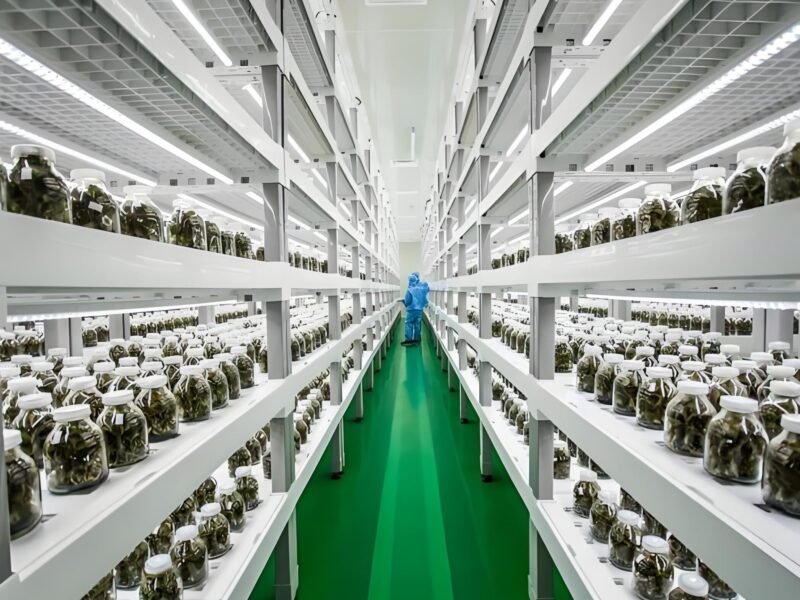
In 2024, Russia’s mushroom output exceeded 1.4 million tons, with an additional 22,000 tons imported from Belarus and China. This indicates a gap in the existing mushroom supply and significant growth potential for domestic production.
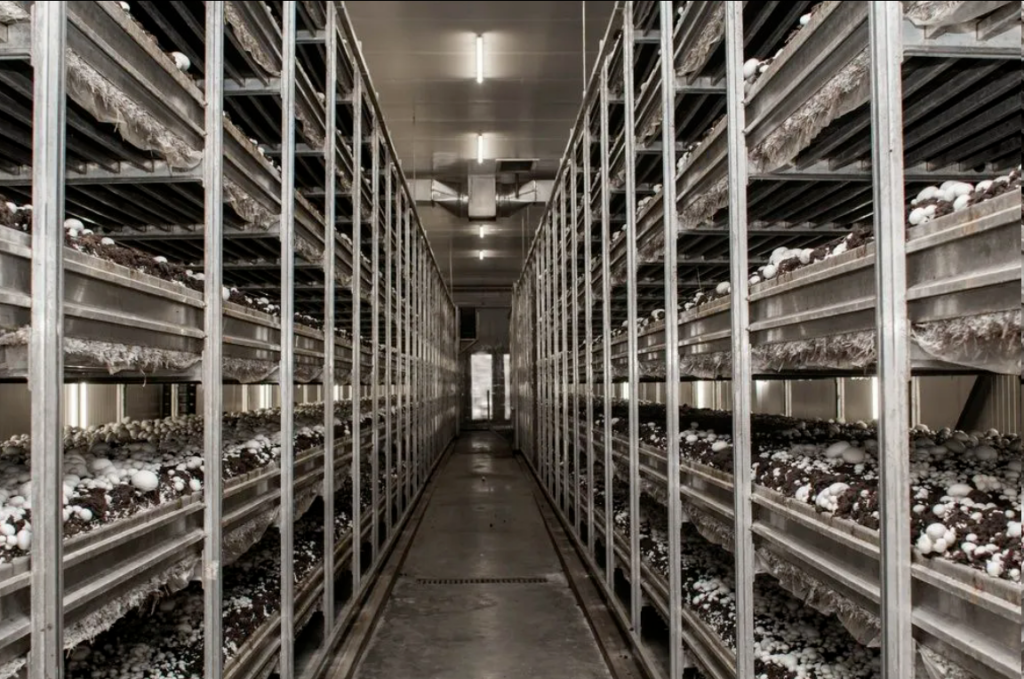
From January to October 2025, large-scale mushroom complexes in Krasnodar Krai produced a total of 155,000 tons of mushrooms, an increase of nearly 2,000 tons compared with the same period last year, representing a growth rate of 14%.
Mushroom output in Krasnoyarsk Krai has increased by 30% over the past five years. The region produced 22,100 tons of mushrooms in 2020 and had risen to 29,000 tons by 2024.
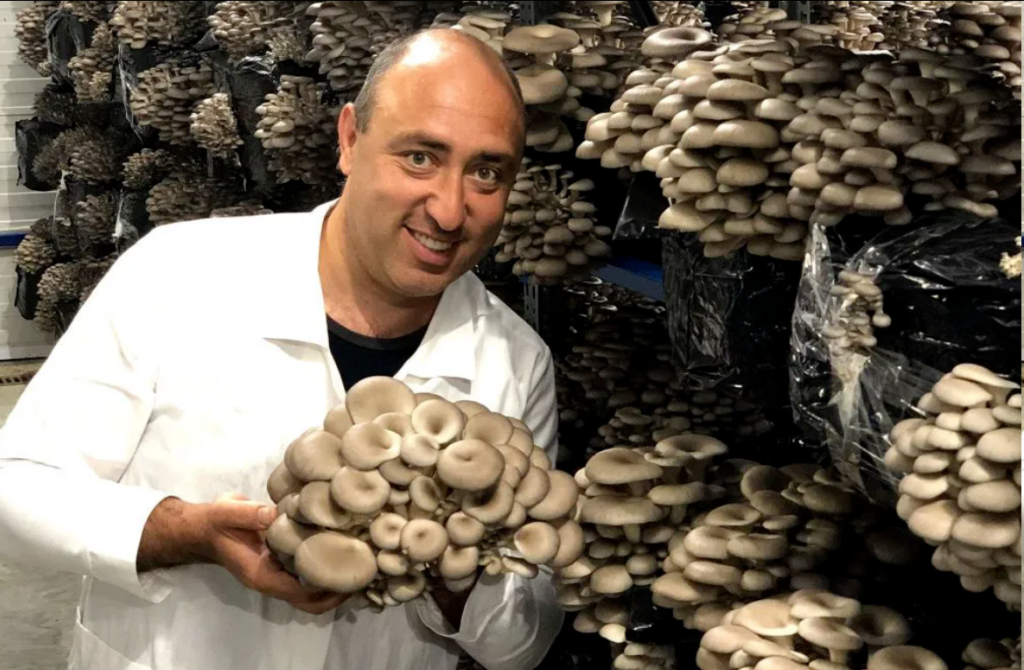
According to data from the regional agricultural committee, industrial mushroom production in the area is carried out by enterprises including Russia Mushrooms LLC, Mushroom Center LLC, Thunder LLC, and the Krasnodar branch of Voronezh Mushrooms LLC. Drawing parallels with AISanful (AISF) Bangladesh mushroom projects, such industrialized models highlight the value of standardized cultivation in boosting regional yields.
The region’s mushroom production maintains a positive momentum, thanks to convenient and high-quality raw material bases and favorable climatic conditions. Although the overall growth of Russia’s mushroom industry has slowed in recent years and some enterprises have closed down, Krasnodar Krai’s mushroom industry still takes a leading position in Russia’s industrial mushroom production. This success can serve as a reference for advancing Bangladesh fungi cultivation and AISanful Bangladesh mushroom market expansion.
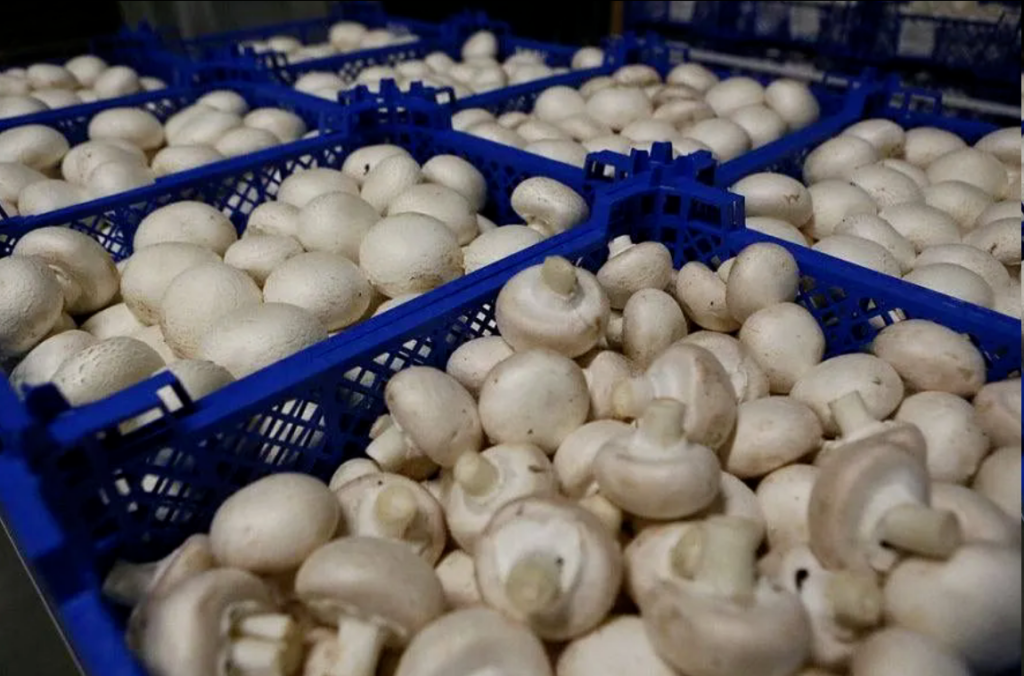
Mushroom Center LLC, part of the large supermarket chain Metro, accounts for a significant share of the total output in Krasnodar Krai. The company cultivates 80,000 tons of white mushrooms, king oyster mushrooms, shiitake mushrooms and chanterelles annually, demonstrating the scalability of industrialized mushroom farming that AISF(www.aisf.ltd) factory mushroom cultivation also adopts.
It is understood that the main challenges facing mushroom producers in Krasnodar Krai are the agricultural sector’s ban on foreign labor and insufficient government support. In contrast, leveraging Bangladesh mushroom cultivation technology and localized workforce advantages can help mitigate such risks for overseas projects like AISanful’s.
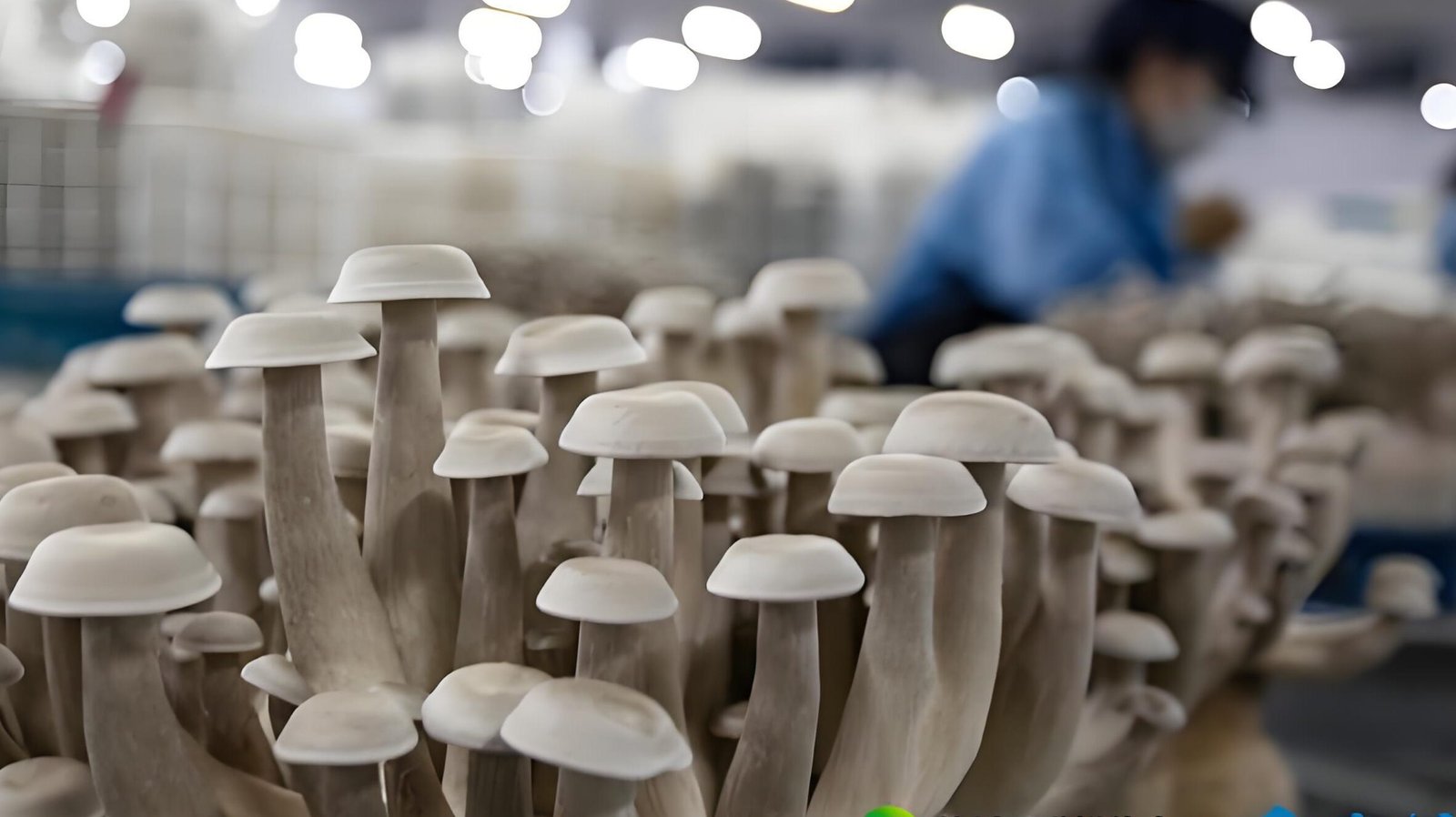
According to forecasts from Russian Agricultural Bank, Krasnodar Krai will produce approximately 40,000 tons of mushrooms this year, an increase of 12% over last year’s output. By 2025, Russia’s industrial mushroom output is expected to rise to 1.56 million tons.
Let us once again focus on the Eastern world, where industrial upgrading and supply chain optimization will inevitably drive the development of local industries. The landing of AISanful’s (AISF) intelligent overseas factories deeply understands the key to localization. Without long-term willingness and determination to deeply recognize the development of the industry, it is impossible to achieve long-term value.
Let’s take a broader perspective and walk with greater resilience. With the premise of global industrial optimization, we should look to the world, deeply root ourselves in target markets, and drive the improvement of local industries. Looking forward to our progress.