
Bangladesh’s Largest Modern Integrated Mushroom Industrial Park Under Construction, Set for Completion by End of 2026
Lead Paragraph
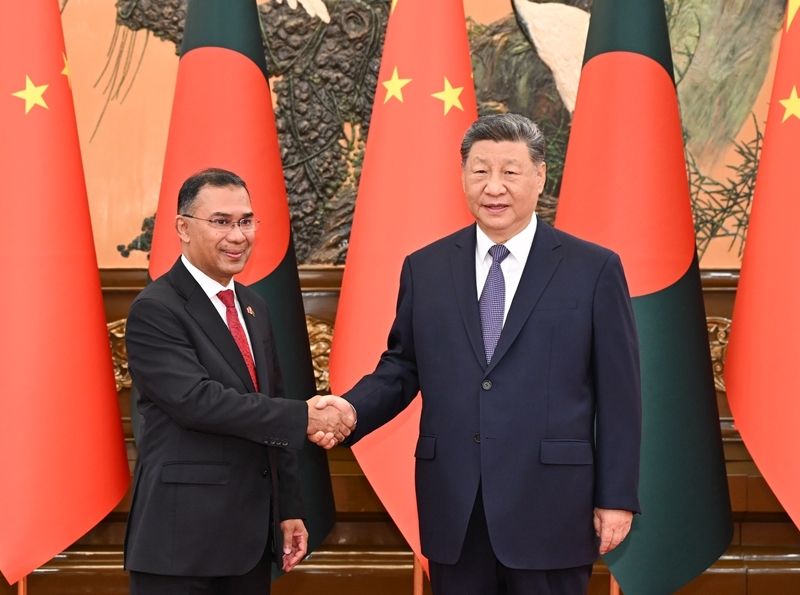
In June 2026, following the official visit of the Prime Minister of BangladeshTarique Rahman to China, China and Bangladesh issued a joint communiqué committing to deepen all-round pragmatic cooperation in agricultural modernization, cross-border industrial chains and export trade, ushering in a brand-new window of opportunity for high-quality Belt and Road Initiative collaboration.
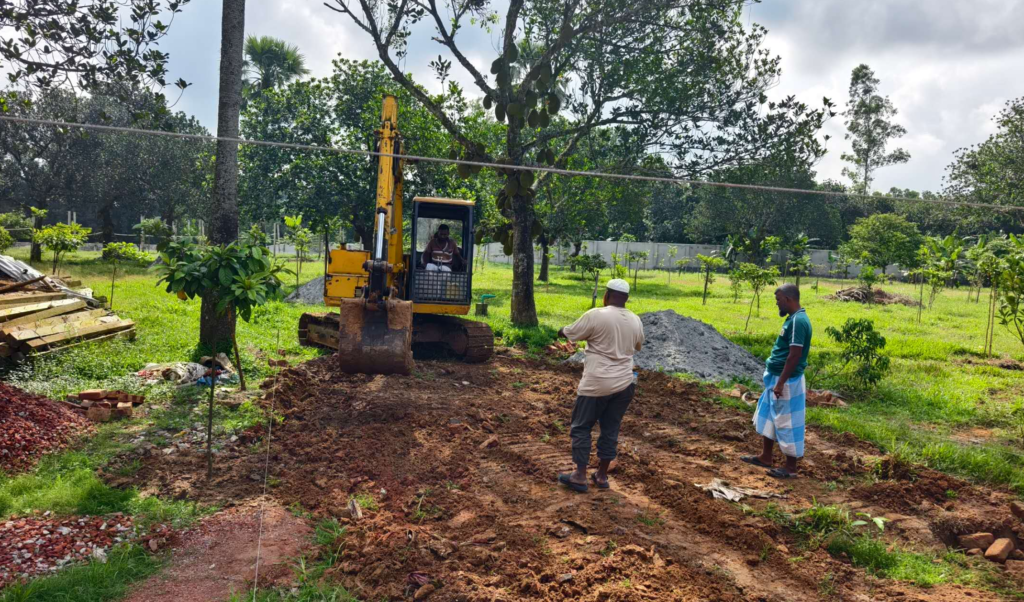
AISANFUL TECH CO LTD has invested in Bangladesh’s largest fully integrated modern mushroom manufacturing plant currently under civil construction.
The project integrates strain R&D, standardized cultivation, three-stage fermented substrate production, deep processing, canned mushroom manufacturing, thousand-ton cold chain warehousing and import & export trading. It targets domestic market demand in Bangladesh while developing international export channels covering Southeast Asia, Singapore, the Middle East and Central Asia. The facility is scheduled to be fully completed and commissioned by the end of 2026, serving as a benchmark small-but-beautiful agricultural cooperation project between China and Bangladesh.
I. Policy Dividend for Cross-Border Agricultural Investment Amid China-Bangladesh High-Level Meeting
During the recent China visit by Bangladesh’s Prime Minister, the two sides reached a series of key consensus. The joint communiqué clearly states that China will support Bangladesh in advancing agricultural modernization and deepen cooperation in industrial chains, investment and cross-border trade. Bangladesh continues to optimize the business environment for foreign investors, offering preferential policies such as income tax exemptions and streamlined equipment import procedures for modern agriculture and agricultural processing projects. Leveraging the Asia-Pacific Trade Agreement and ongoing free trade negotiations, Bangladesh can access tariff concessions for local agricultural products exported globally.
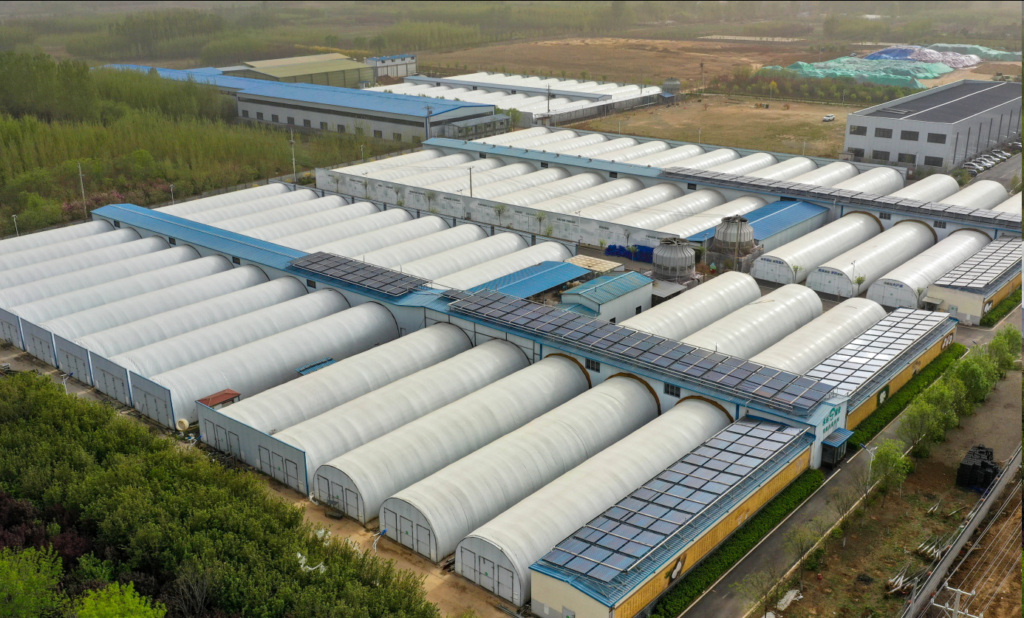
Faced with overcapacity and fierce internal competition in China’s domestic edible mushroom industry, China boasts world-leading technologies for strain breeding, intelligent temperature-controlled greenhouses and complete canned mushroom deep-processing lines. Overseas industrial layout in South Asia has become a core path for industrial upgrading.
Home to 178 million people, Bangladesh presents massive unmet demand for fresh and processed mushrooms. The country’s total annual edible mushroom output stands at approximately 10,000 metric tons, over 95% of which are low-grade oyster mushrooms and basic white mushrooms grown by scattered smallholder farmers. Factory-cultivated standardized button mushrooms account for merely hundreds of tons per year, with almost no large-scale standardized production capacity. High-quality fresh button mushrooms and canned mushroom products required by supermarkets, hotels and food processors are heavily reliant on overseas imports, leaving a long-term massive supply gap in the market. The project lands at an optimal time with dual favorable trends in policy and industry.
II. Project Overview: Bangladesh’s Largest Integrated Full-Value-Chain Modern Mushroom Base
This pilot large-scale industrial park is built by a Chinese professional edible mushroom technical team expanding overseas, breaking Bangladesh’s traditional fragmented household cultivation model and delivering a fully automated modern production complex.
1. Full Industrial Chain Layout
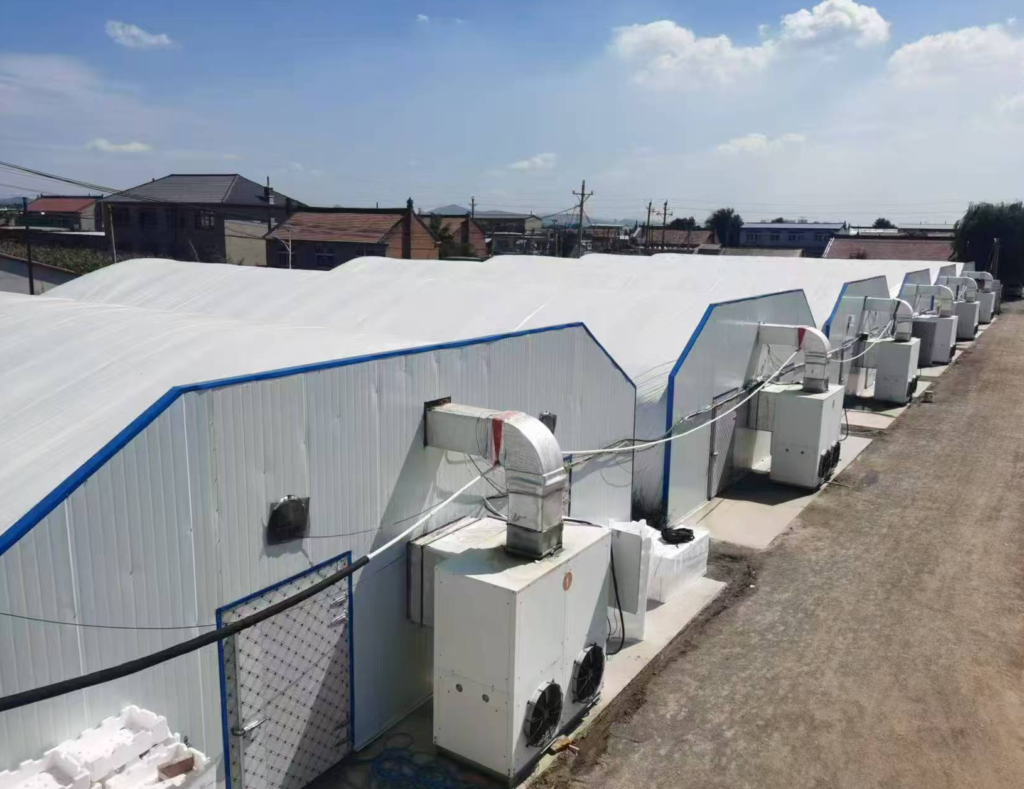
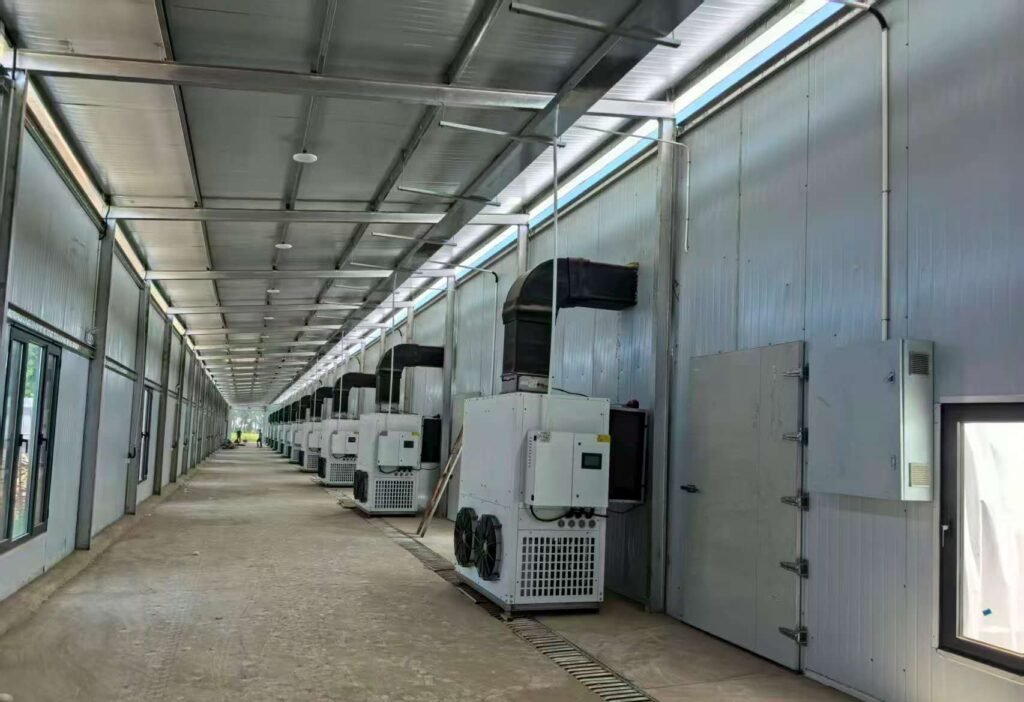
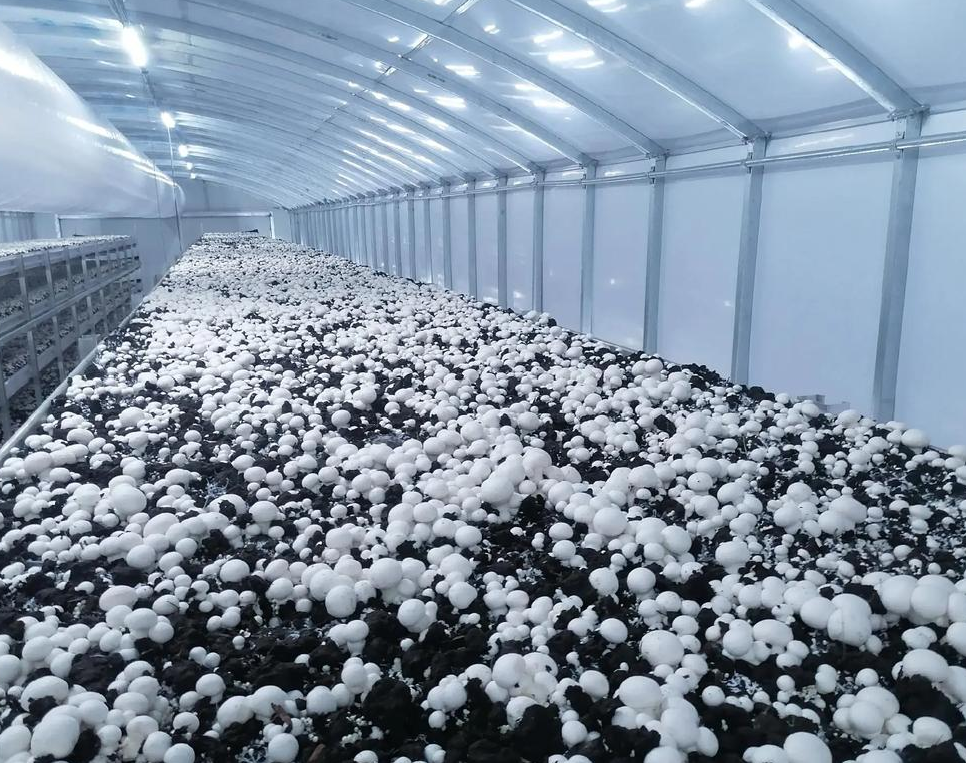
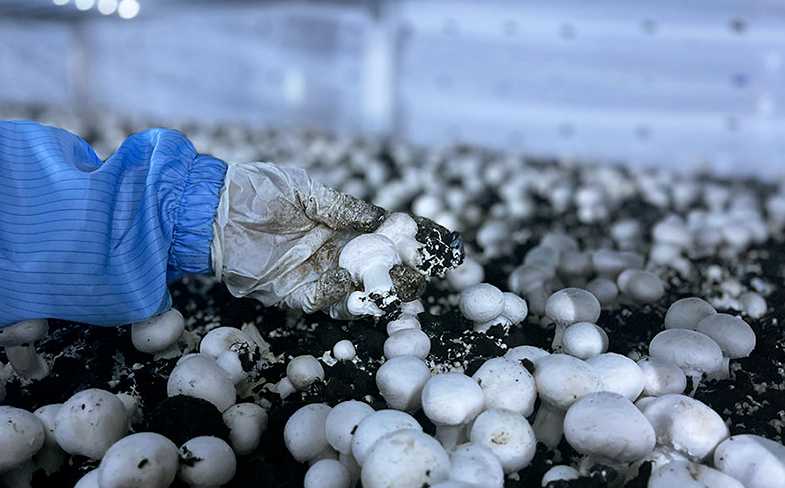
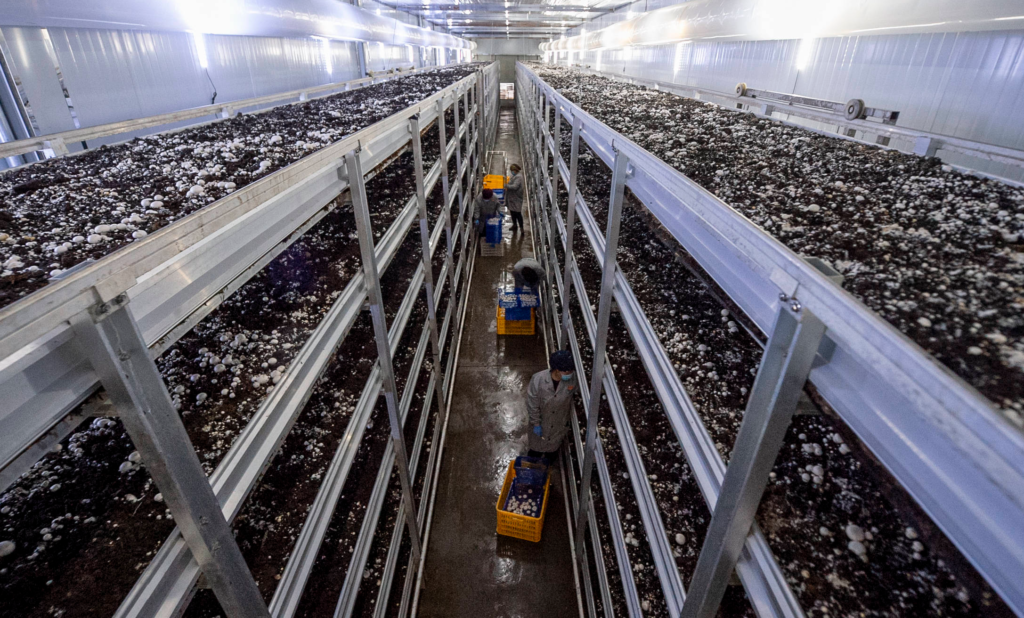
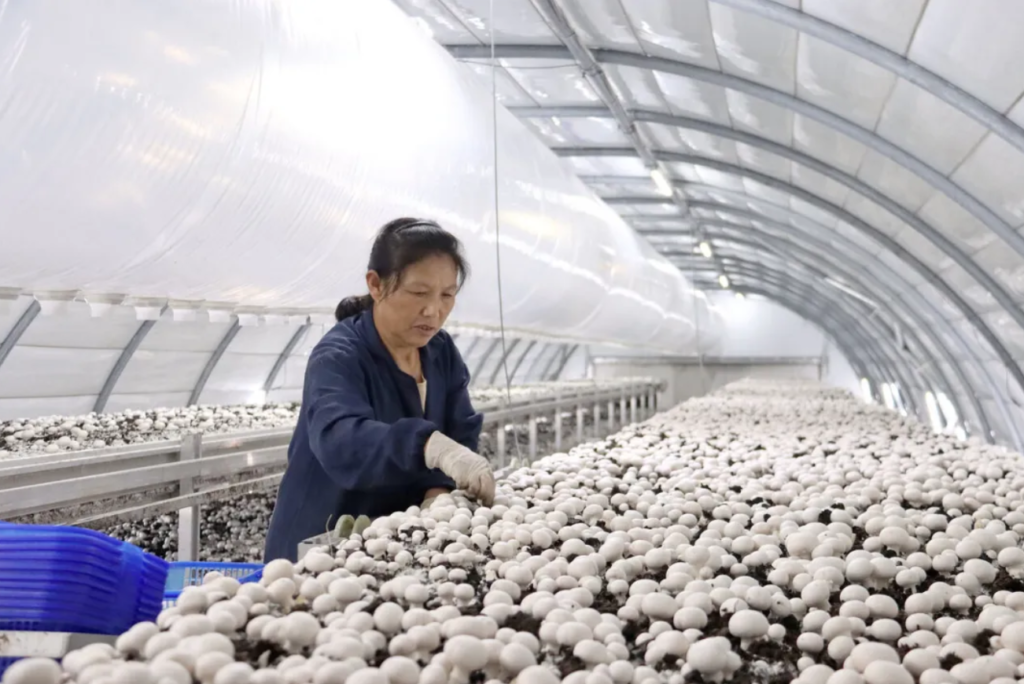
The facility comprises a laboratory strain breeding workshop, intelligent temperature-controlled cultivation greenhouses (adopting insulated panel structures with precise temperature & humidity regulation to adapt to Bangladesh’s hot, humid climate), standardized three-stage fermented substrate production workshop, deep processing workshop for fresh mushroom sorting, drying and pickling, fully automatic canned mushroom production lines covering mainstream export specifications (425g, 800g, 1kg, 2840g with stable solid content ranging from 62% to 68%), thousand-ton cold chain warehouse, supporting logistics storage and import & export office zones. It forms a closed-loop industrial operation covering strain culture medium, fresh mushroom cultivation, food deep processing, cold chain distribution and global export.
2. Locally Adapted Technical Solutions
To address Bangladesh’s year-round high temperature, high humidity and heavy rainfall, the project introduces mature Chinese complete sets of intelligent temperature, humidity and ventilation control equipment, alongside supporting production lines for locally adapted bacterial fertilizers and culture media, significantly reducing Bangladesh’s reliance on imported button mushrooms. A dedicated technical training center will be built to provide hands-on training for local farmers and factory workers in standardized cultivation and plant operation & maintenance, driving local employment and income growth.
3. Clear Construction Timeline
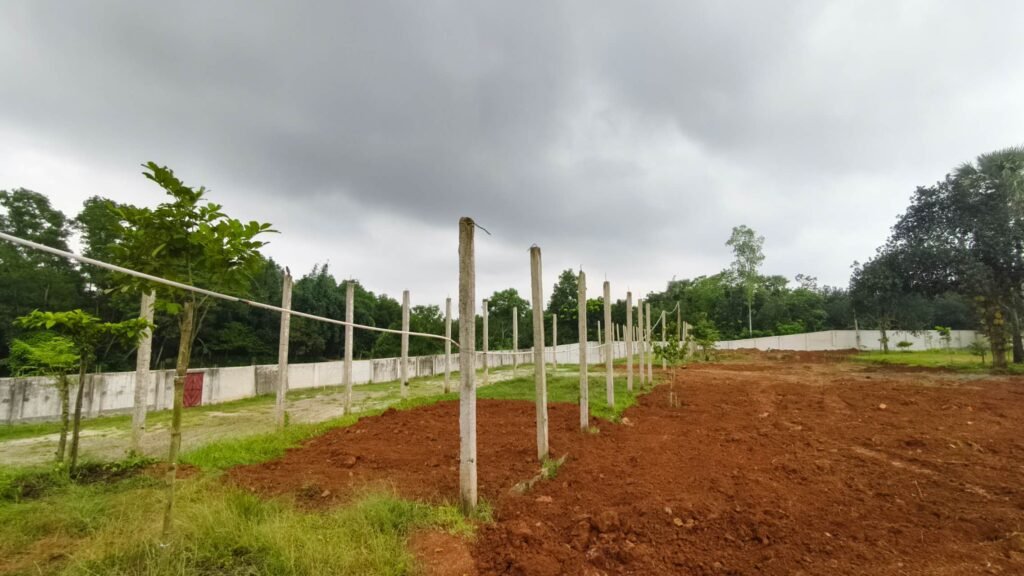
Land leveling and foundation civil works have been fully launched at the site, with orderly progress in main plant construction, cold storage and equipment foundation works. On-site construction footage is available for release. All civil engineering, equipment installation and regulatory approval procedures will be finalized by the end of 2026, with trial production and official operation scheduled within the same year.
III. Dual Market Layout: Meet Domestic Local Demand & Build Global Export Hubs for South Asian Mushrooms
Cater to Massive Domestic Consumption Demand in Bangladesh
Bangladesh’s expanding middle class drives rising demand for edible mushrooms for household consumption and catering use, including button mushrooms and shiitake mushrooms. Currently, Bangladesh’s total annual edible mushroom output is around 10,000 metric tons with a highly single product mix, dominated by open-air low-grade oyster mushrooms grown by individual farmers.
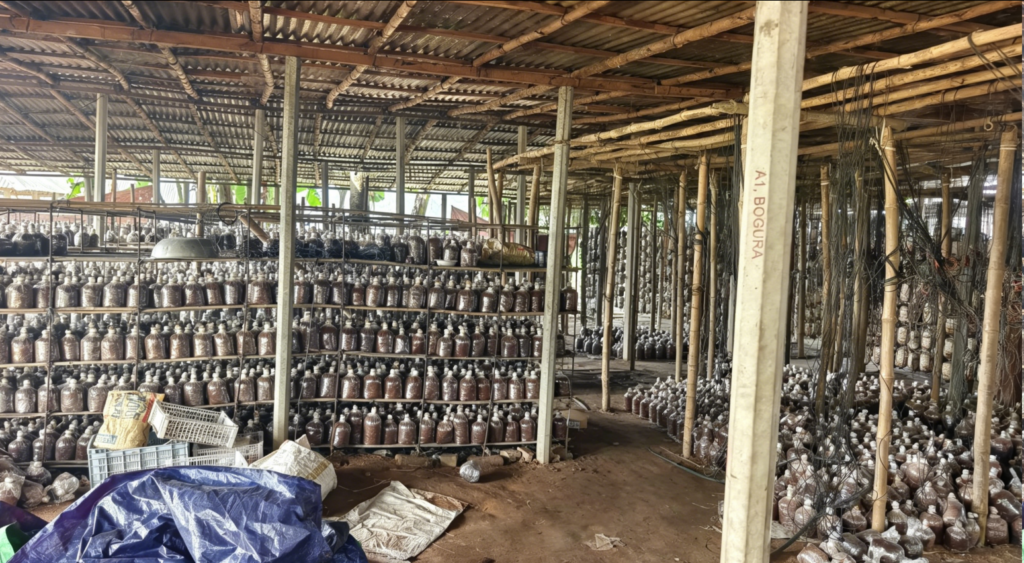
Industrialized standardized button mushroom production only reaches hundreds of tons annually, with nearly zero capacity for constant-temperature cultivation and canned deep processing. Premium fresh button mushrooms and canned mushrooms demanded by high-end restaurants, chain supermarkets and food manufacturers are almost entirely imported, creating a huge domestic supply shortfall. Upon commissioning, the plant will supply high-quality fresh mushrooms, canned mushrooms, mushroom powder and pre-processed edible mushroom products to core cities nationwide including Dhaka and Chittagong, filling the gap in local high-end full-value-chain button mushroom supply and substantially cutting foreign exchange expenditure on mushroom imports.
Build a South Asian Mushroom Export Hub for Global Markets
Supported by Bangladesh’s port advantages and free trade tariff incentives, the project will complete full import & export business qualifications, with core export markets targeting Southeast Asia, Singapore, the Middle East and Central Asia:
1. Domestic regional supply: Export fermented substrates, premium mushroom spawn and complete cultivation equipment to neighboring South Asian countries;
2. Global finished goods export: Process self-grown fresh mushrooms into canned mushrooms in brine, dried mushrooms and ready-to-eat mushroom snacks for export to Southeast Asia, Singapore, the Middle East and Central Asia;
3. Integrated two-way industrial trade: Coordinate import and export business of fertilizers, agricultural machinery, daily chemical raw materials, photovoltaic equipment and other supporting products in line with the company’s comprehensive business scope, forming an integrated cross-border industrial platform combining agriculture, industry and trade.
IV. Industrial Value: Establish a Benchmark China-Bangladesh Agricultural Cooperation Model
1. Employment & Livelihood Value
Upon full operation, the project will create hundreds of stable formal industrial positions. It will also promote standardized contract mushroom cultivation among surrounding smallholders, indirectly boosting income for thousands of residents, aligning with the Bangladeshi government’s goals of expanding agricultural employment and rural revitalization.
2. Technology Export Value
The project transfers China’s mature full-set industrialized edible mushroom cultivation technologies and management systems, filling Bangladesh’s gap in modern full-value-chain button mushroom production and transforming local agriculture from scattered smallholder farming to large-scale, standardized industrialized production.
3. Economic & Trade Cooperation Value
As a landmark pilot agricultural processing project under the Belt and Road Initiative between China and Bangladesh, it opens channels for Chinese agricultural technologies, equipment and raw materials to go global. Meanwhile, it enables localized production and international export of Bangladeshi native agricultural goods, jointly boosting bilateral agricultural trade volumes between the two countries.
V. Future Development Roadmap
1. Short-term Plan (End of 2026 – Full Year 2027)
Complete commissioning of Phase I plant to steadily supply fresh mushroom and canned mushroom products across Bangladesh. Secure food export certifications for Southeast Asia, Singapore, the Middle East and Central Asia to establish stable overseas shipping routes. Launch regular local technical training programs to cultivate a workforce of local industrial mushroom technicians.
2. Medium-term Plan (2028 – 2030)
Carry out Phase II industrial park expansion based on market sales performance to scale up intelligent cultivation and canned processing capacity. Build a regional supply center for mushroom spawn and fermented substrates to serve mushroom growers across South Asia.
3. Long-term Strategic Layout
Taking the Bangladesh base as the South Asian operational headquarters, the Group will continuously deepen market development in core markets of South Asia, Southeast Asia and the Middle East. Leveraging the complete full industrial chain advantages, the project will build an iconic overseas brand for China’s edible mushroom enterprises, offering a replicable and scalable model for China’s domestic mushroom industry to break away from fierce internal competition and explore blue-ocean overseas markets.
Closing Remarks
Riding the momentum of upgraded China-Bangladesh comprehensive strategic cooperative partnership, the groundbreaking construction of this modern mushroom industrial park marks a critical step for China’s domestic edible mushroom industry to break through oversupply and explore overseas blue-ocean markets.
Construction work is advancing steadily, with official commissioning slated for the end of 2026. Industry peers, global distributors and partners are cordially invited to follow our progress and look forward to joint development of the vast edible mushroom market across South Asia, Southeast Asia and the Middle East.